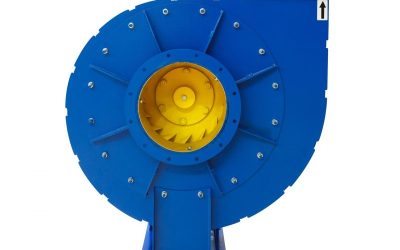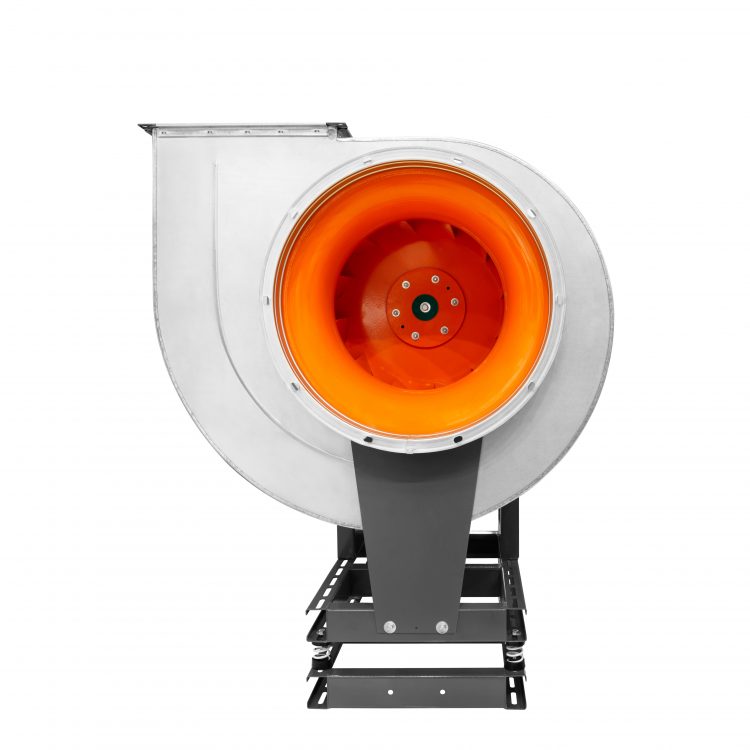
An inline centrifugal fan is commonly used in ducted exhaust systems where airflow must remain stable despite layout constraints. Its effectiveness, however, depends largely on how well it is selected and integrated into the system.
Evaluating Pressure Requirements Within Duct Networks
A critical consideration when specifying an inline centrifugal fan is its ability to manage static pressure. Duct length, directional changes, and filters create resistance that can disrupt airflow if not properly accounted for. Selecting a unit based only on airflow capacity may result in under-performance when real system conditions are applied.
Accurate assessment of pressure requirements ensures that the fan maintains consistent extraction, particularly in environments where uninterrupted airflow is necessary for operational stability.
System Compatibility and Structural Fit
Another key factor is how the fan aligns with the physical and functional aspects of the ventilation system. Installation space, duct size, and connection points all influence performance. Poor integration can lead to leakage, inefficiency, or added mechanical strain over time.
Attention to build quality and material durability also supports better performance, especially in systems exposed to heat, moisture, or particulates.
Efficiency, Noise, and Long-Term Operation
Operational efficiency extends beyond initial performance. Motor efficiency, energy usage, and noise levels all contribute to the long-term value of the system. An improperly selected unit may increase operational costs while reducing reliability.
For this reason, decision-makers often consult experienced suppliers such as Brooklyn Fan & Blower Sales Company when evaluating options and seeking practical insight into ducted exhaust system requirements.