Snapshot:
- Dogs typically need proof of vaccination, a temperament check, and a gradual introduction before starting day care.
- Upper East Side facilities generally keep group sizes small and supervise play closely to reduce stress for new dogs.
- A short trial visit helps caregivers and owners confirm the environment is a good match before regular drop-offs begin.
Getting a dog ready for day care mostly comes down to health paperwork, a calm introduction, and picking a provider that matches your dog’s temperament and your daily schedule. Most facilities on the Upper East Side ask for basic preparation steps before the first drop-off, and knowing what to expect makes the transition smoother for both dog and owner.
At Nytails, Choose a reliable Dog Day Care in Upper East Side option starts with understanding how local providers structure their days. Group sizes, supervision ratios, and intake requirements vary between facilities, so reviewing these details ahead of time helps set realistic expectations for a first visit.
What Upper East Side Day Care Providers Typically Require
Before a dog can join a group setting, most local providers ask for documentation and a basic evaluation. This protects the health and safety of every dog in the group.
- Proof of current vaccinations, often including rabies, distemper/parvo (DHPP), and Bordetella
- A completed application or intake form describing behavior history and any known triggers
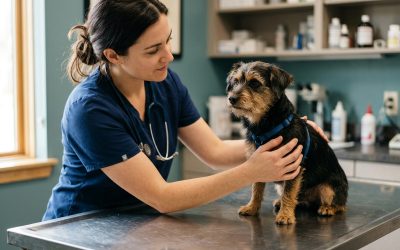
- A meet-and-greet or trial day so staff can observe how a dog interacts with others
According to the American Veterinary Medical Association, core vaccinations help protect dogs from serious, easily transmitted diseases, which is a major reason group care settings require updated records. Facilities that skip this step put every dog in the group at higher risk, so a provider asking detailed vaccination questions is generally a good sign of careful management.
Getting Your Dog Ready at Home
Preparation does not stop with paperwork. A dog’s daily routine and temperament also play a role in how well they adjust to a new environment.
- Practice short separations at home so your dog is comfortable being away from you for a few hours.
- Keep feeding and walking schedules consistent in the days leading up to the first visit.
- Bring familiar items, such as a favorite toy or blanket, if the facility allows it.
- Ask the provider how they group dogs by size or temperament, since this affects how your dog will spend the day.
Local providers such as New York Tails, whose Google Business Profile lists dog daycare among its core offerings, generally recommend a trial visit before committing to a regular schedule. This gives staff a chance to observe behavior in a real group setting rather than relying on an application alone.
Comparing Day Care Preparation Steps
The table below summarizes common preparation expectations across Upper East Side providers, based on published service pages and intake requirements.
| Preparation Step | Typical Requirement | Why It Matters |
|---|---|---|
| Vaccination records | Rabies, DHPP, Bordetella | Protects the group from contagious illness |
| Intake application | Behavior and health history | Helps staff plan supervision and grouping |
| Trial or meet-and-greet | One supervised visit | Confirms fit before regular attendance |
| Routine consistency | Matching home feeding/walk times | Reduces stress during the transition |
Facilities differ in exact wording and process, so confirming specifics directly with a provider before the first visit is worthwhile.
Signs a Day Care Environment Fits Your Dog
Not every group setting suits every dog. Watching for a few signals during a trial visit can help owners judge whether the environment is a good long-term fit.
- Staff separate dogs by size or energy level rather than mixing everyone together
- Group sizes stay small enough for close supervision throughout the day
- Communication after drop-off includes updates on how your dog is adjusting
- The facility has a clear plan for handling anxious or reactive dogs
A provider that keeps groups manageable and maintains close supervision tends to reduce stress for dogs that are new to group settings, which supports a smoother first few visit.
Frequently Asked Questions
Do all dogs need a trial day before starting day care? Most Upper East Side providers recommend or require a trial visit so staff can observe temperament and comfort level in a group setting before regular attendance begins.
What vaccinations are usually required? Common requirements include rabies, DHPP (distemper/parvo), and Bordetella, though exact policies vary by facility and should be confirmed directly with the provider.
How can I tell if my dog is stressed during day care? Signs can include excessive panting, hiding, reluctance to engage with other dogs, or changes in appetite after pickup; sharing these observations with staff helps them adjust supervision.
Is day care different from boarding? Day care provides supervised care during the day with the dog returning home each night, while boarding involves an overnight or multi-day stay at the facility.
Preparing a dog for day care is less about a single checklist and more about matching routines, temperament, and provider structure before committing to regular visits. Reviewing vaccination requirements, asking about group supervision, and scheduling a trial day all help set a new routine up for success. For owners on the Upper East Side researching local options, comparing intake requirements and staff-to-dog ratios remains one of the most practical ways to find a provider like New York Tails that fits a dog’s needs and a family’s schedule.