Maintaining clean and enjoyable recreational waterways is important for activities like boating, fishing, and swimming. Excessive aquatic weeds can disrupt the natural balance, making these spaces less usable and affecting the ecosystem. Aquatic Weed Control offers effective ways to manage unwanted growth and restore the health and usability of lakes, ponds, and rivers.
Understanding the root causes of aquatic weed growth is the first step toward successful management. Nutrient runoff from fertilizers, decaying plant material, and warm temperatures can all trigger rapid weed expansion. Identifying which types of weeds are present, such as submerged, floating, or emergent species, helps determine the most effective control strategies. A balanced approach involves both prevention and targeted removal, ensuring that beneficial plants and wildlife remain unharmed.
Physical removal remains one of the simplest techniques for managing aquatic weeds. Manual raking or cutting can be effective for small infestations, especially in areas frequently used for recreation. For larger bodies of water, mechanical harvesters provide a more efficient solution, clearing extensive weed beds while minimizing disturbance to the aquatic environment.
Biological control is another sustainable method, introducing natural predators like certain fish species that feed on invasive plants. This approach reduces weed populations over time without introducing chemicals into the water. However, it requires careful planning to avoid unintended impacts on native species.
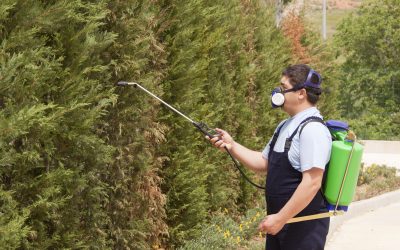
When physical and biological methods aren’t enough, responsible use of aquatic herbicides may be necessary. Selecting products specifically designed for aquatic environments and following all application guidelines ensures safety for people, pets, and wildlife. Always check local regulations before using any chemical treatments.
Preventing future outbreaks is just as important as removing existing weeds. Regular monitoring, maintaining shoreline vegetation to filter runoff, and minimizing the use of lawn fertilizers near water all contribute to long-term waterway health.
Restoring balance to recreational waterways involves a combination of understanding weed growth, employing physical and biological removal methods, and using chemical treatments only when necessary. With these simple aquatic weed control tips, it is possible to maintain vibrant, accessible, and healthy waterways for everyone to enjoy.
Contact ProSolutions at https://www.ourprosolutions.com/ for more information on Aquatic Weed Control.